Low-Slope And Slow-Draining Roofs
Danville Silicone Roof Coating
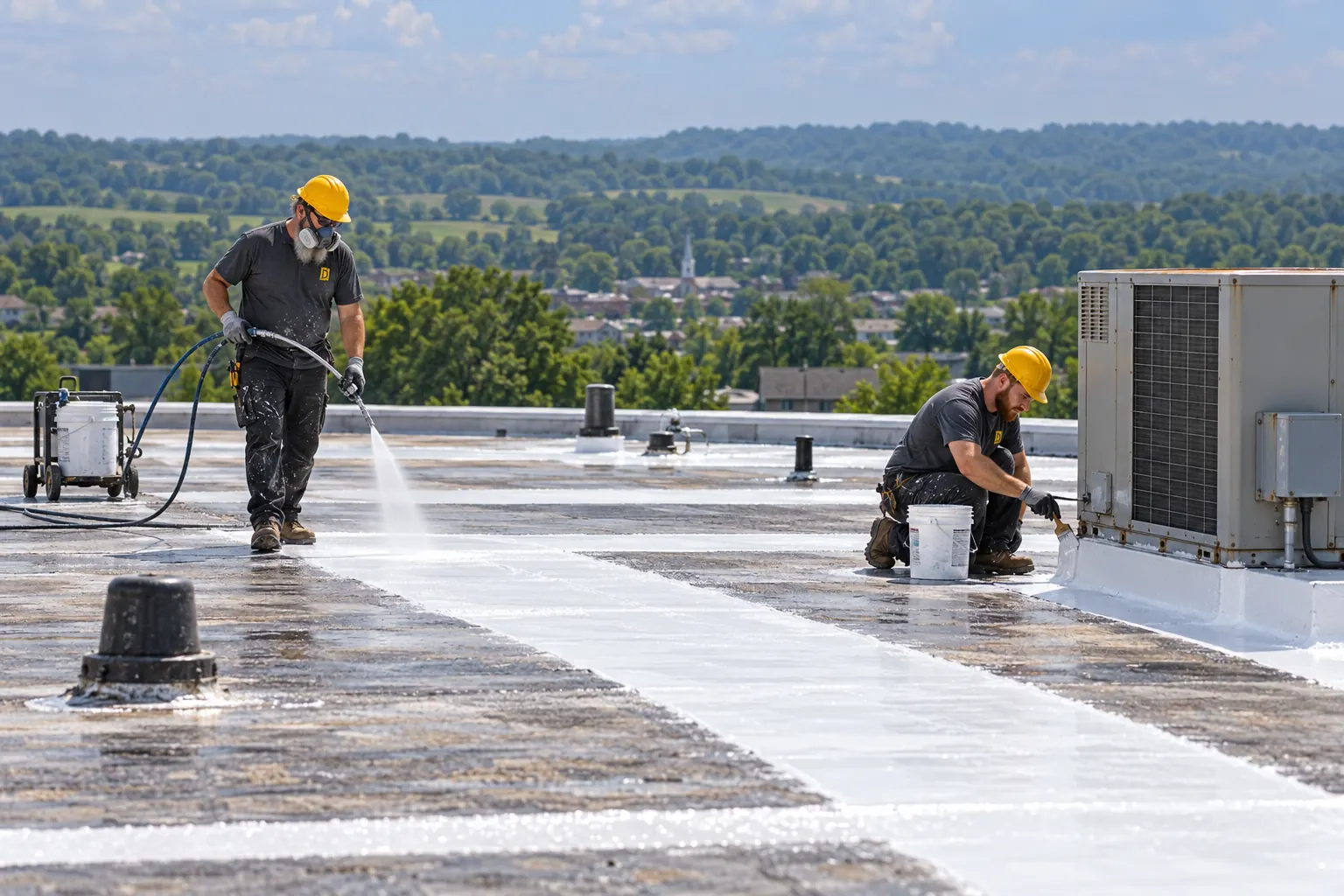
We apply silicone roof coating in Danville over low-pitch metal and flat commercial roofs where water lingers after rain in laps, valleys, and gutters.
- Built For Standing Water
- Cures On Cooler, Damper Days
- Recoats Stay Silicone
- Utility Programs Checked First
Is This Roof A Fit?
Silicone earns its place on roofs that drain slowly. The roof walk sorts out which areas take silicone straight away and which need repair or drying first.
| What We InstallSilicone Fits | Repair First | Choose Another System | |
|---|---|---|---|
| Drainage | Water lingers in laps, valleys, or gutters | Low spots from bent panels or deck | Steep roof that sheds water fast |
| Foot Traffic | Few trips to rooftop units | Service paths needing walk pads | Daily traffic across the field |
| Existing Surface | Bare metal, acrylic, or old silicone | Loose coating peeling at laps | Owner wants it bright with little washing |
| Insulation | Dry under the panels or membrane | Wet sections cut out first | Soaked insulation across the roof |
| Recoat Plan | Comfortable staying with silicone | Mixed products from past patches | Plans to switch coating types later |
Where Water Sits On Low-Slope Roofs
Silicone goes where water lingers. These are the five spots on a low-pitch roof that stay wet longest after a storm.
Gutters And Valleys
Gutters packed with leaves stay wet for days, and valleys between roof sections collect runoff from both sides. Silicone handles that standing water better than water-based acrylic.
End Laps On Low Pitch
Shallow panel runs drain slowly, so water sits at each end lap and wicks under the overlap. A fabric-reinforced seal across the lap goes down before the field coat.
Rooftop Unit Curbs
Condensate lines drip onto the roof beside units, and service techs walk the same path every visit. Walk pads or extra granules keep that path from wearing through soft silicone.
Ponding Rings
Low spots in the deck or around drains leave rings of dirt after the water dries. We find what made the low spot, because a coating seals the surface while the dip stays put.
Old Patch Layers
Mastic patches and past coatings decide what bonds. Silicone grips bare metal and old silicone well, and a test patch on any mystery layer settles it before the full job.
Commercial Roof Coating Options for Danville
Silicone shows up on three kinds of Danville buildings, each with its own reason to pick a product that tolerates standing water.
Plant Roofs With Little Traffic
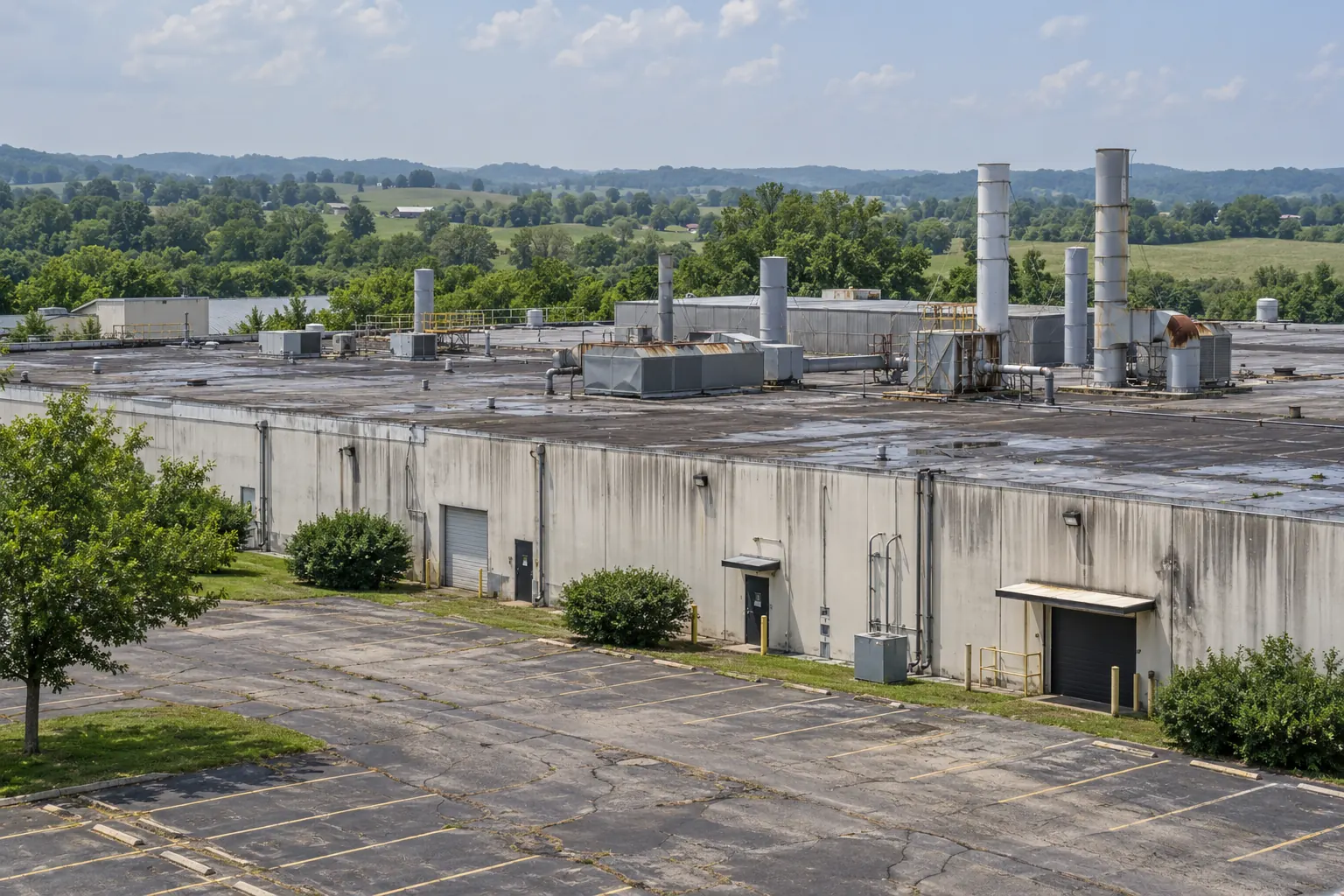
Wide production roofs drain slowly and see few visitors. Silicone covers the field while curbs, exhaust stacks, and condensate lines get their own detail work first.
Distribution And Dock Buildings
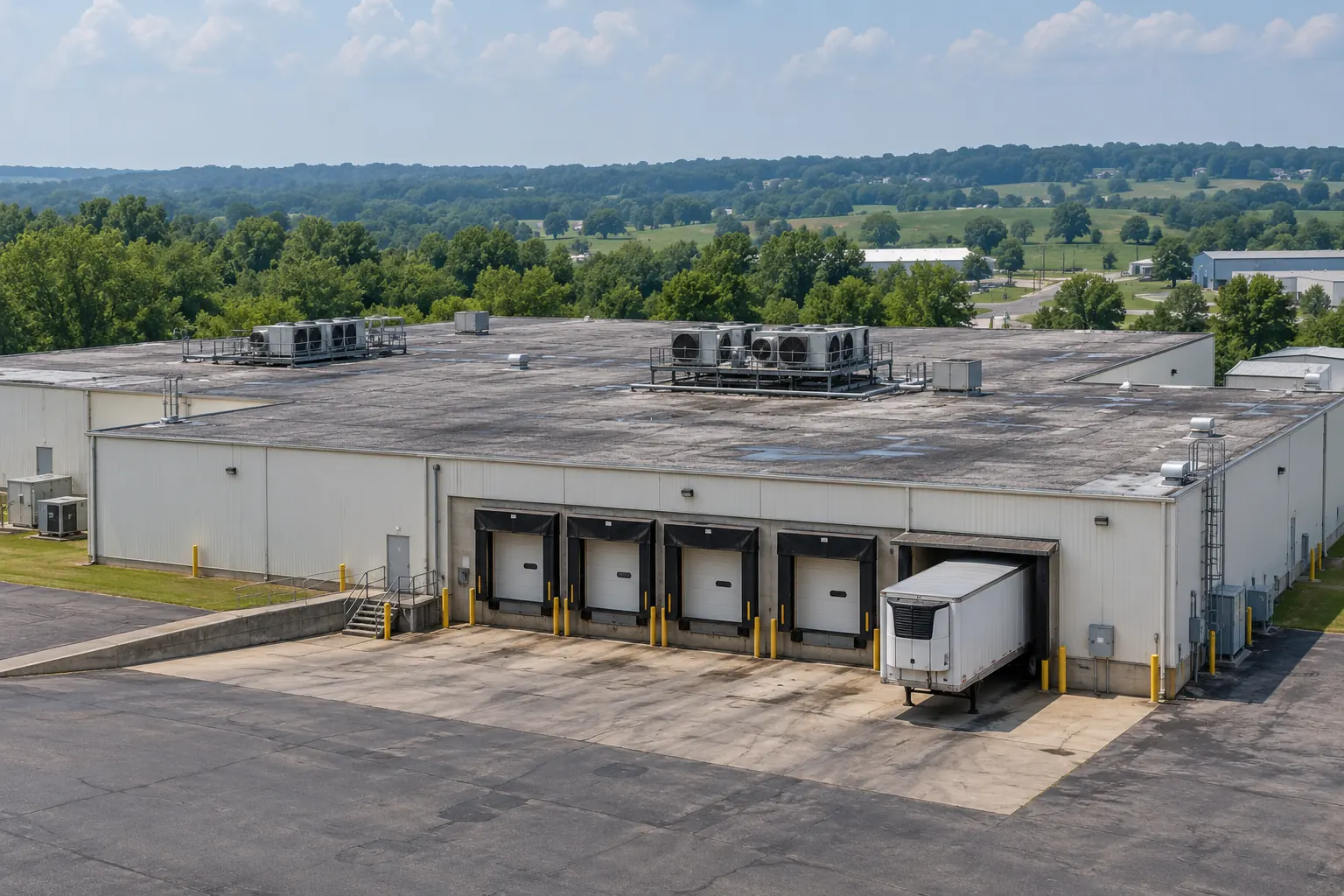
Long low-slope runs over loading docks hold water at the far edges. Zones are coated around shipping schedules, with dock doors under the work area planned in advance.
Low-Pitch Metal Shops
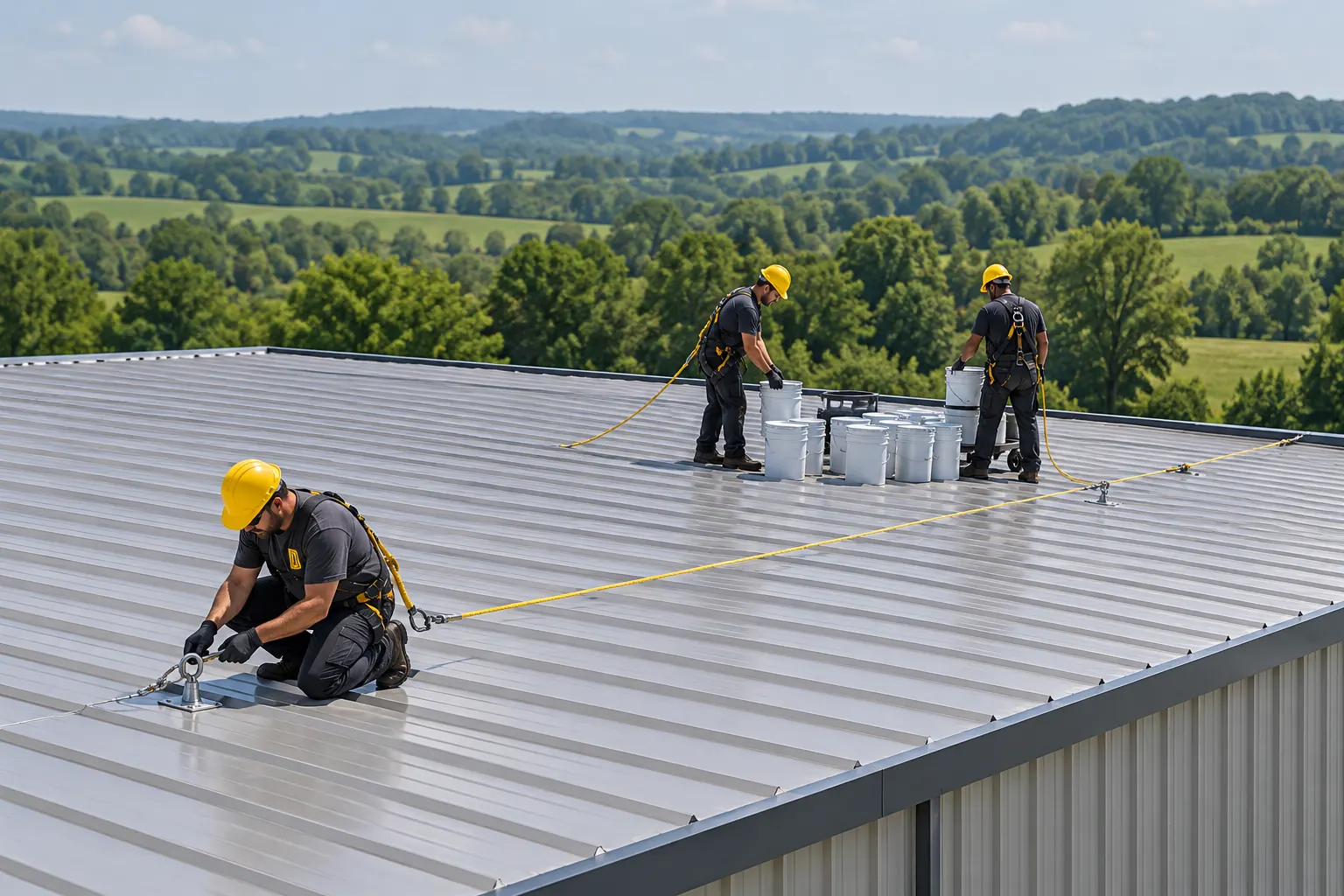
Shallow metal panels on shops and storage buildings keep water at the laps. Silicone over the field, with fabric at every end lap, matches that slow drainage.
Benefits of Coating Your Roof
Silicone brings the standard coating gains to roofs where water lingers, as long as the deck and insulation underneath stay dry.
Budget Stays On The Roof
Restoring a slow-draining roof with silicone skips the tear-off, so the money goes to drainage details, primer, and coating.
Work Goes On Below
Crews coat in zones from roof hatches, and production or storage under the roof keeps going through the job.
Old Roof Stays Put
The existing panels or membrane stay in place under the silicone, which keeps tear-off debris out of the landfill.
Silicone Over Silicone
When the surface wears, a wash and a fresh silicone coat renew it, since silicone bonds to cured silicone.
Water Still Standing Two Days After Rain?
Note where it sits and how long it stays. Ponding at gutters, valleys, and laps tells us how much detail work comes before the silicone.
Have These Ready
- Photos of standing water after a storm
- Roof size and slope, if known
- Rooftop unit locations
- Past coatings or patch products
How Silicone Goes On A Slow-Draining Roof
Silicone needs a clean, dry surface and the right primer. These five steps get it there.
Inspect Your Roof
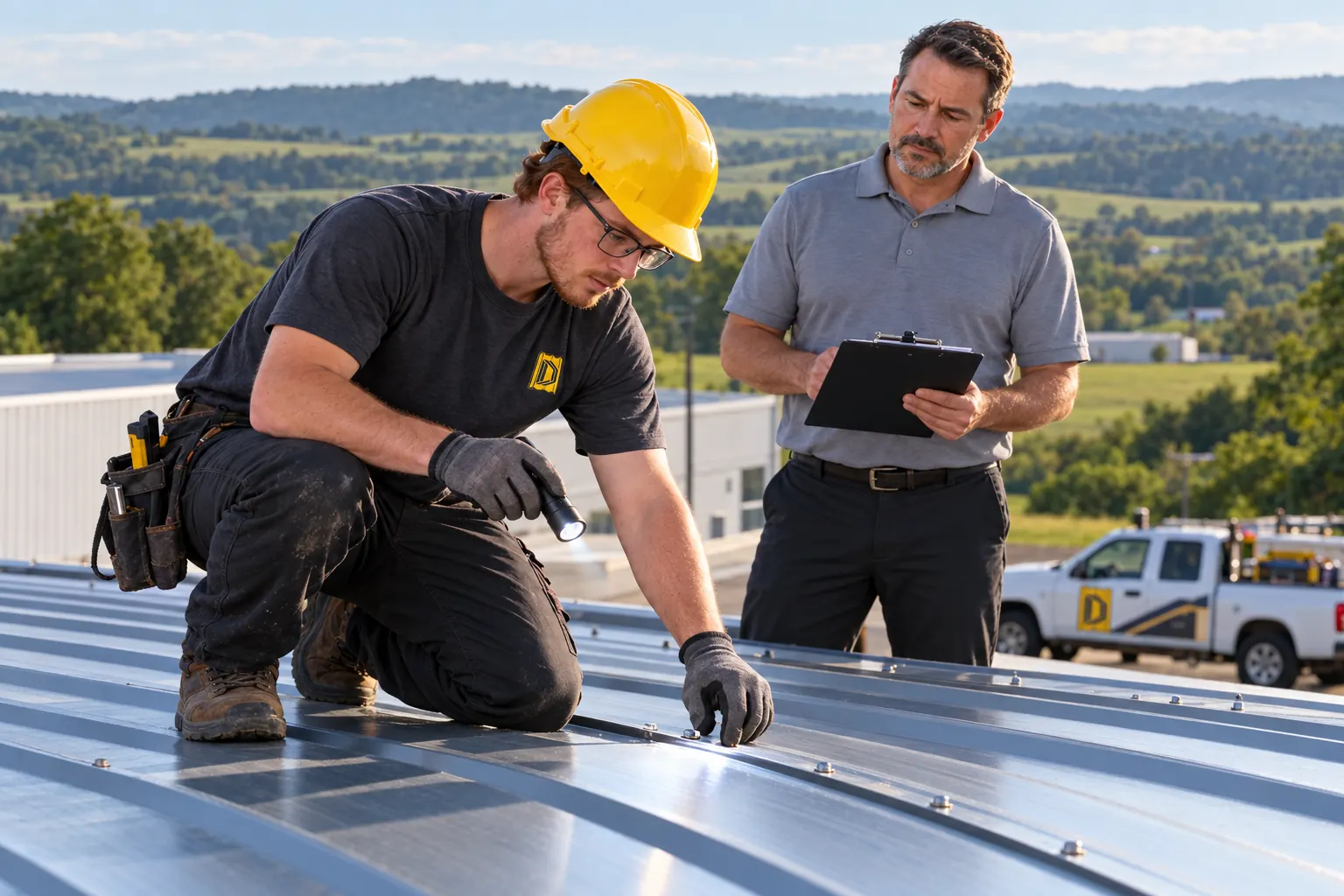
We map where water sits, probe for wet insulation, and check every curb and drain. Any old coating gets a small test patch so we know what the silicone will grip.
Clean And Dry
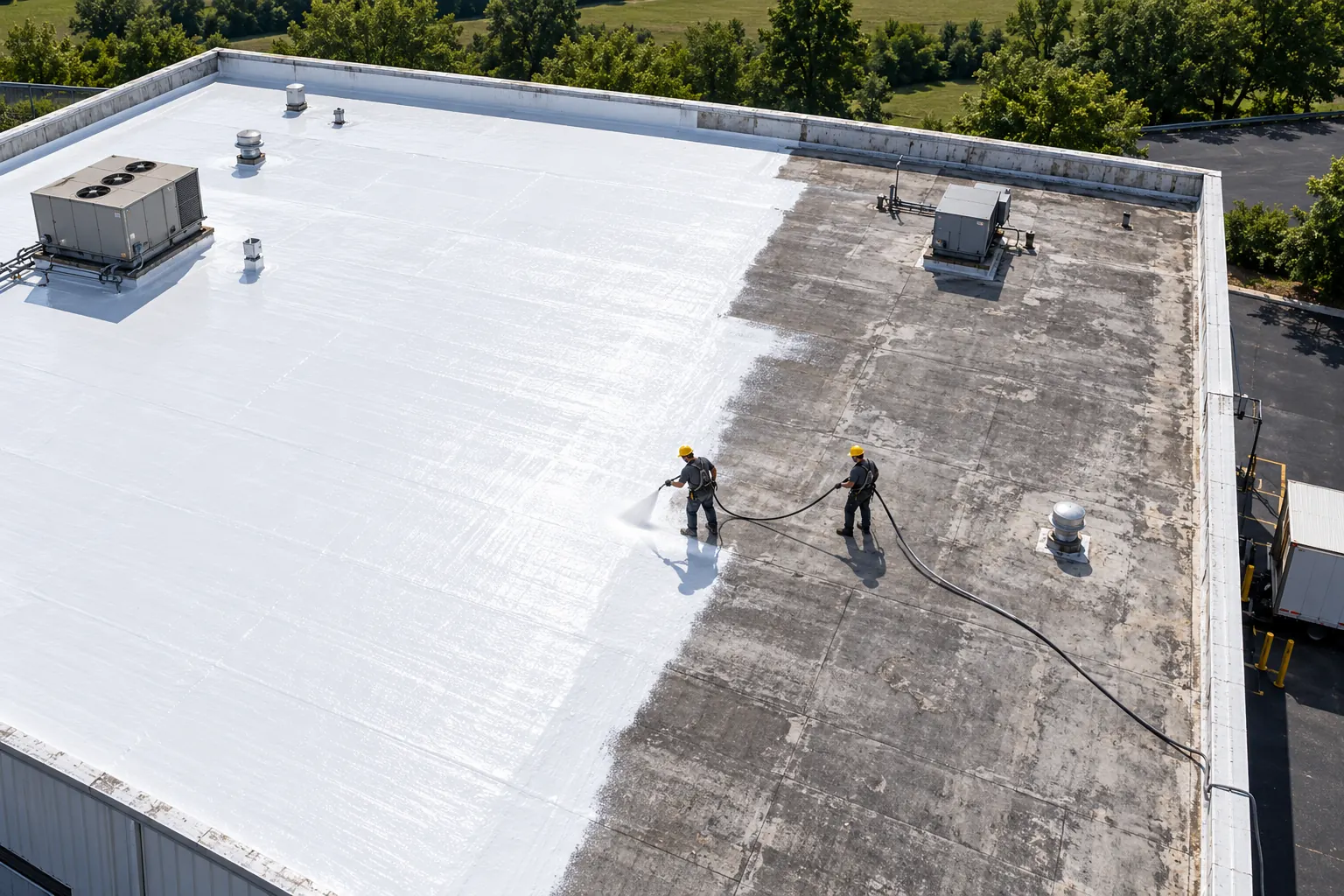
Pressure washing removes dirt, chalk, and pollen, and ponded areas get time to dry fully. Wet insulation found on the walk is cut out and replaced before anything else.
Prime Where Needed
Bare rusted metal gets a rust-inhibiting primer. Some older surfaces need a bleed-blocking primer so stains underneath stay put under the white topcoat.
Detail The Wet Spots
Laps, seams, curbs, and gutter edges get fabric set in base coat. Areas that hold water get extra attention, because that is where silicone earns its keep.
Spray Or Roll Silicone
Silicone goes on to the thickness on the product sheet, often in one heavy coat. It handles cooler, damper days than acrylic, which widens the spring and fall season.
Related Services For Low-Slope Roofs
Silicone is one answer for wet roofs. These services cover the prep work and the other routes.
Metal Roof Coating
Metal roofs with loose screws and rusted laps start with the metal prep work, then take silicone as the topcoat.
Danville commercial metal roof coatingAcrylic Roof Coating
Steeper roofs that shed water fast cost less to coat with acrylic, which also stays whiter between washings.
Danville acrylic roof coatingSpray Foam Roofing
Ponding on a roof with no insulation can call for spray foam, which adds an insulating layer under the topcoat.
Danville spray foam roofing
Silicone Roof Coating Questions In Danville
How are panel laps, end laps and seams sealed?
With fabric set in base coat or a brush-grade mastic, applied before the silicone field coat. These joints move most as panels heat and cool, so they get more material than flat areas.
End laps on long runs need fabric across their full width, since wind-driven rain backs up beneath them. Ridge caps and trim get mastic at closures and fabric at laps.
When does silicone roof coating make sense over metal?
On low-pitch metal with long panel runs and gutters or valleys that hold water after rain. Silicone resists standing water and sunlight better than water-based acrylic, and it cures on cooler, more humid days.
The trade-offs: dirt sticks and dulls the white surface, later recoats have to be silicone, and service paths to rooftop units need walk pads or extra granules.
Are there utility rebates for coating a metal roof in the Danville area?
Business efficiency programs exist here, but roof coating eligibility changes by provider and over time, so ask the utility on your bill before work starts and count on a rebate only once it is in writing.
Inter-County Energy, a member-owned cooperative based in Danville, serves much of the area, and Kentucky Utilities serves many central Kentucky businesses. LG&E and KU list business rebates online.
How does dirt affect a silicone roof?
Silicone holds onto dust, pollen, and soot more than acrylic, which lowers how much sunlight the roof reflects until rain or a wash clears it. Near exhaust stacks, residue builds faster.
A gentle wash with the cleaner the coating maker lists brings most of the brightness back, and it is a normal part of keeping a silicone roof.
Can silicone go over an old acrylic coating?
Yes, once the acrylic is clean, well bonded, and primed if the product sheet calls for it. Loose acrylic peeling at laps or around fasteners gets scraped off first, and a small adhesion test confirms the bond.
The reverse is where trouble starts: acrylic will not stick to cured silicone, which is why the first product choice matters.
See What Silicone Would Cost On Your Roof
Ask for a free ballpark estimate with the roof size, or call and tell us where water sits after a storm.